

Eswatini – Swaziland until recently – is a tiny country hidden in between South Africa and Mozambique. It’s small, but with a myriad of experiences to offer. You can hike through beautiful landscapes, enjoy exciting cultural events and even book a big-five safari. Trot Op! took a two week road trip through the country and came back with eight absolute highlights that should be part of any trip to Eswatini. Enjoy!
Rejoice dear friends! After two years of being stuck in Europe with the rest of you chumps, I was finally allowed to reenter the African continent this summer. This of course got me excited, as all my previous trips to the mother continent were quite exquisite. Just like six years ago, I was invited by the Eswatini Tourism Authority to shoot photos for their image library. They would get a whole new bunch of unsurpassed masterpieces (duh) and I would get to see almost all of the country’s highlights in a short time – this is what the industry calls a win-win situation. After all: there’s quite a lot to take pictures of in Eswatini
Eswatini is slightly smaller than Flanders, but has an amazing variety of landscapes on offer. Because it’s so small, you can easily get everywhere in a rental car by yourself. Moreover it’s safe and the majority of the population speaks English quite fluently. Add to that a number of affordable safari parks and a few colourful cultural events and you get a package worth the trip. Eswatini (just like Malawi for example) could be the perfect Africa-for-beginners destination. Yet most tourists only stop here for a day or two on the road to South Africa or Mozambique. That’s a shame, because the country is worth much more than spending a weekend in some bungalow. Eswatini is a full-fledged destination offering everything that makes a trip to Africa a unique experience, in pocket size.
A road trip through Eswatini: discover the 8 greatest highlights of a trip to Swaziland
Eswatini is a special case in multiple respects. It’s the only absolute monarchy in Africa for example. This has a several consequences, all of little use in a travel article, but perhaps the most remarkable is that the country is almost a monoculture. In contrast to say, South Africa, where dozens of different tribes live together, the vast majority of the inhabitants of Swaziland are simply Swazi (hence the name). This creates a strong and recognizable national identity and a deep sense of cultural pride.
“Eswatini offers everything that makes a trip to Africa a unique experience, in pocket size.”
The biggest obstacle for Eswatini as a tourist destination is probably that most people simply don’t know anything about it, let alone know where to find it. It doesn’t make many international headlines or World Cups. On top of that, it will take a little effort to actually get there once you know where it is. Eswatini has a new and modern airport, but by plane you can only get there through Johannesburg. The other option – which I took – is to get out of the airport in Joburg and just take the bus. I chose the services of SiyeSwatini Transmagnific, and after four hours of driving, a few snacks and a toilet stop at a gas station where you can see rhinos grazing from behind the urinal (one of my more pleasant pees), I was met by the fantastic Ntsikie at the Ngwenya border post. It would be her first guiding experience. After a day we were best friends; she proved to be the best possible ambassador for her country and we both cried at the end of the trip because we knew the good times were over. We would drive around together for two week: always looking for the next adventure. This is the result: eight absolute highlights of Eswatini, starting with…
1. Meet a whole lot of rhinos in Mkhaya Game Reserve
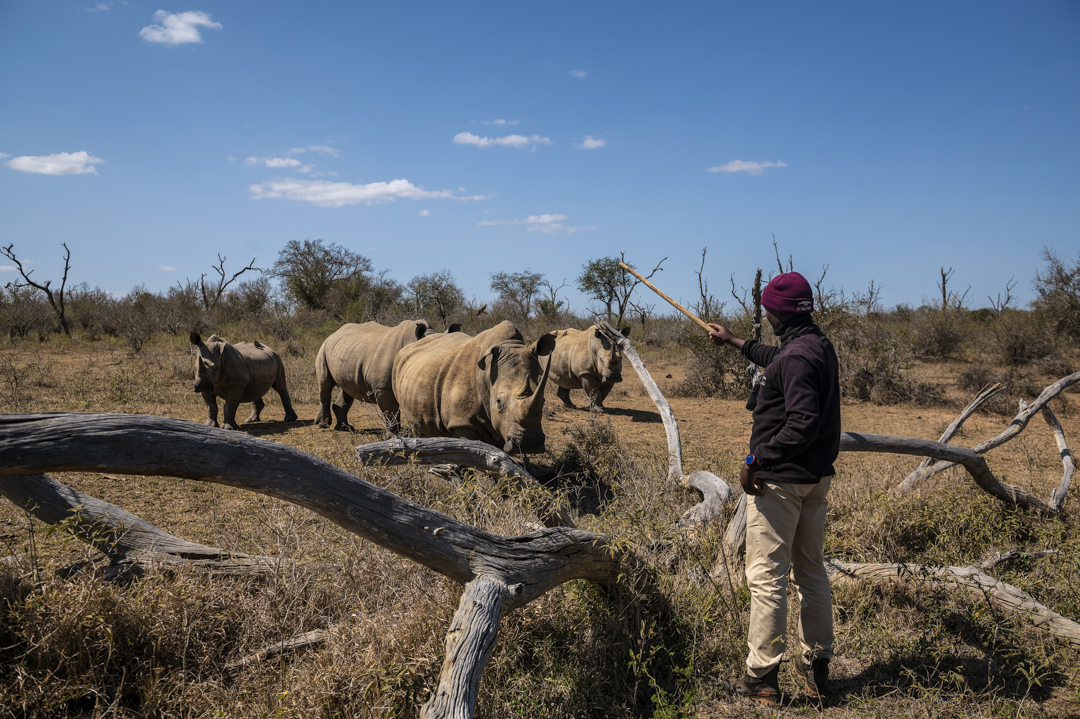
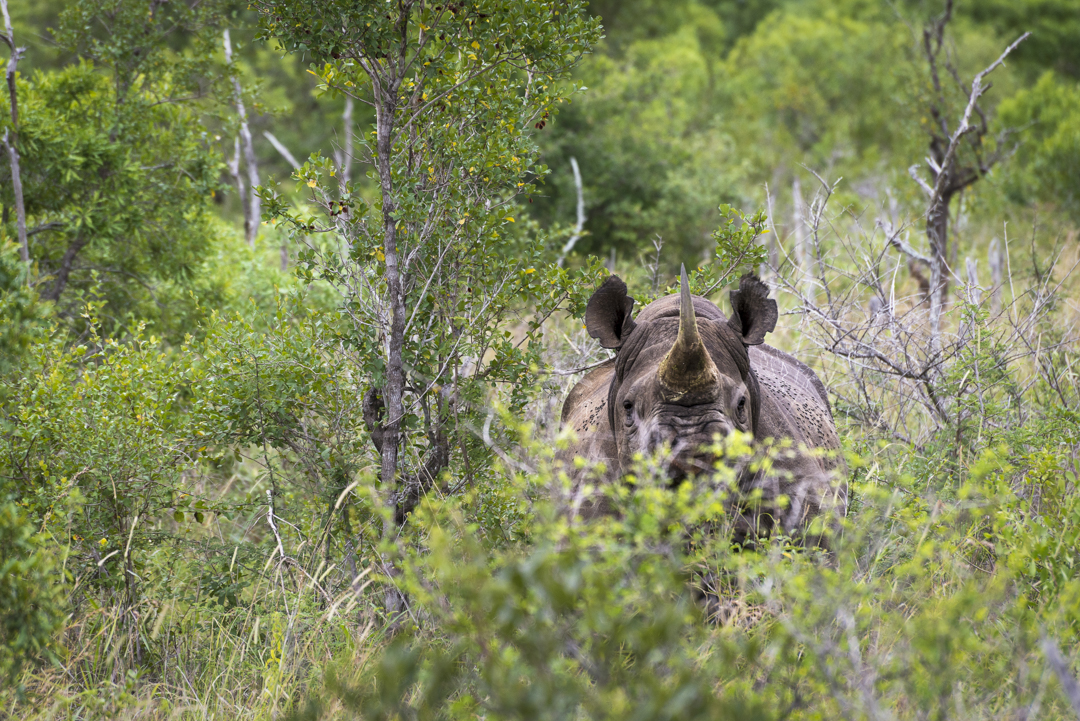
Rhinos are surprisingly hard to spot on safari. This is because of they have horns, on their noses (hence again, the name). These are worth an insane amount of money because a couple of idiots on the other side of the planet think they can grow out their micro-wieners with them. As a result rhino poaching has been going through the roof for years. Not so in Eswatini, where the parks are smaller and better guarded. They hardly lose any animals. The logical consequence is that you’ll have to either be blind or very unlucky not to spot at least a couple of rhinos on any safari drive here. In Mkhaya Game Reserve – a beautiful, secluded park where you sleep in open stone cottages in the forest – you can encounter both white and black rhinos. Of the latter only 6,000 remain in the wild, and this is one of the best places in the world to spot them. In the larger Hlane Royal National Park there are a lot of rhinos as well. Often there will already be a number of them sunbathing near the waterhole opposite the restaurant when you’re having lunch – you don’t even have to go for a game drive. Both reserves offer rhino walks, where you’ll hike through the park on foot with a ranger. Six years ago, a mother with calf came idling right by us, and this summer I came face to face with four absolute adult units having a rumble. They were white rhinos in both cases, which are generally a bit friendlier. Should you ever stumble upon a black rhino on a hike: find a large tree and climb it fast.
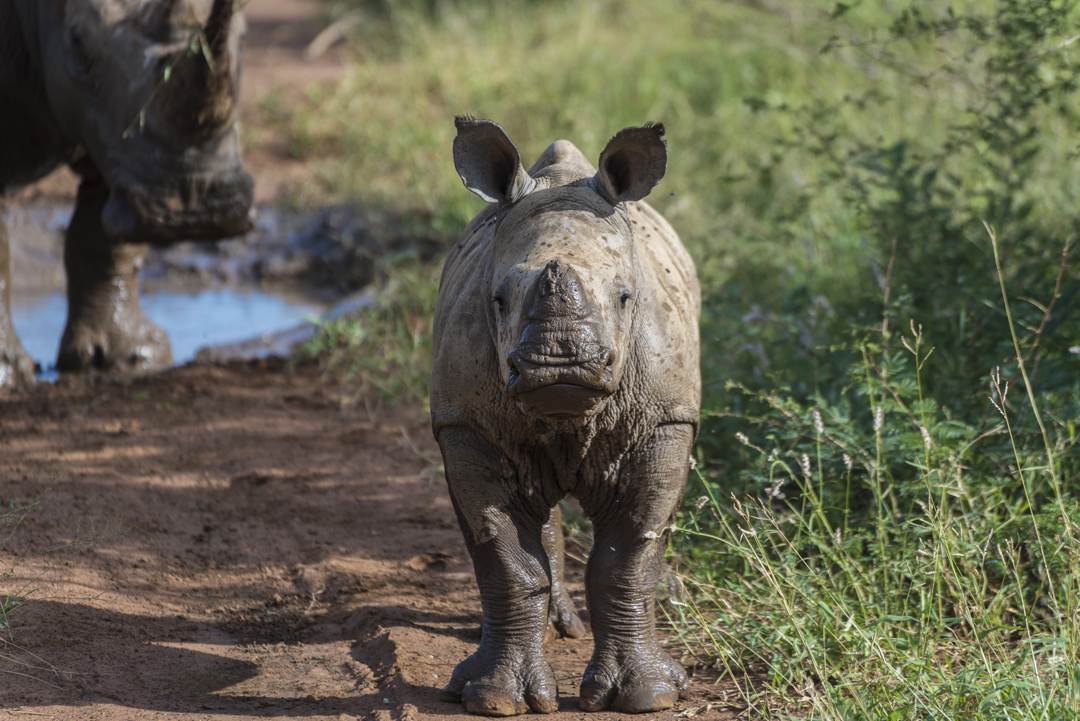
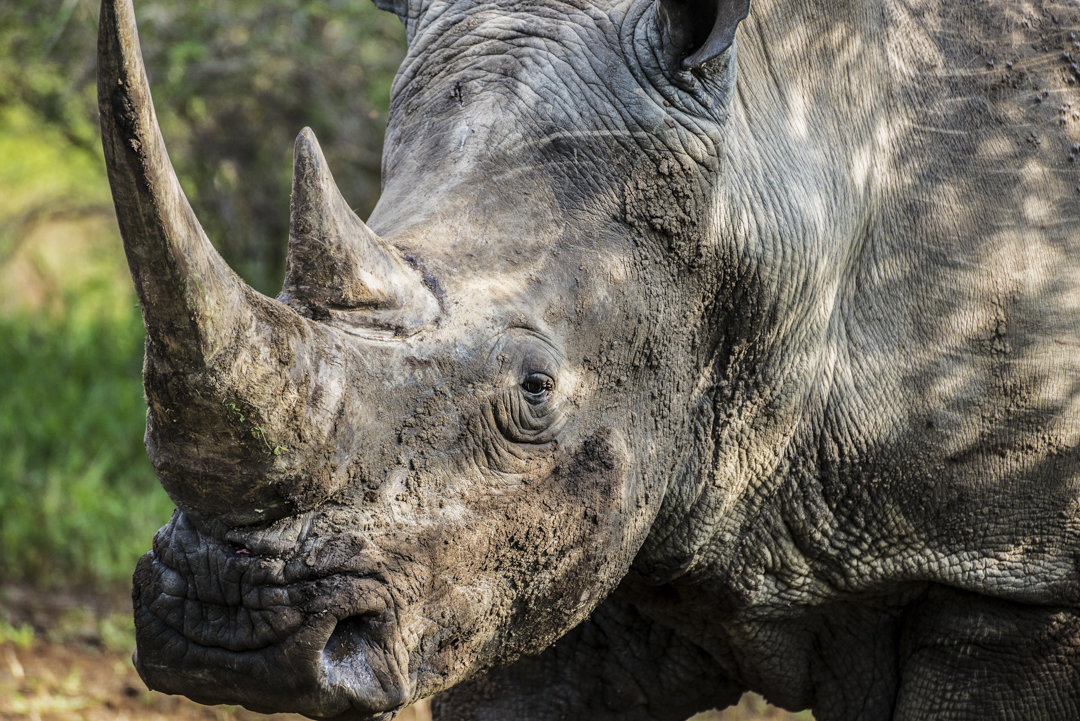
2. Hike through overwhelming landscapes in Malolotja Nature Reserve
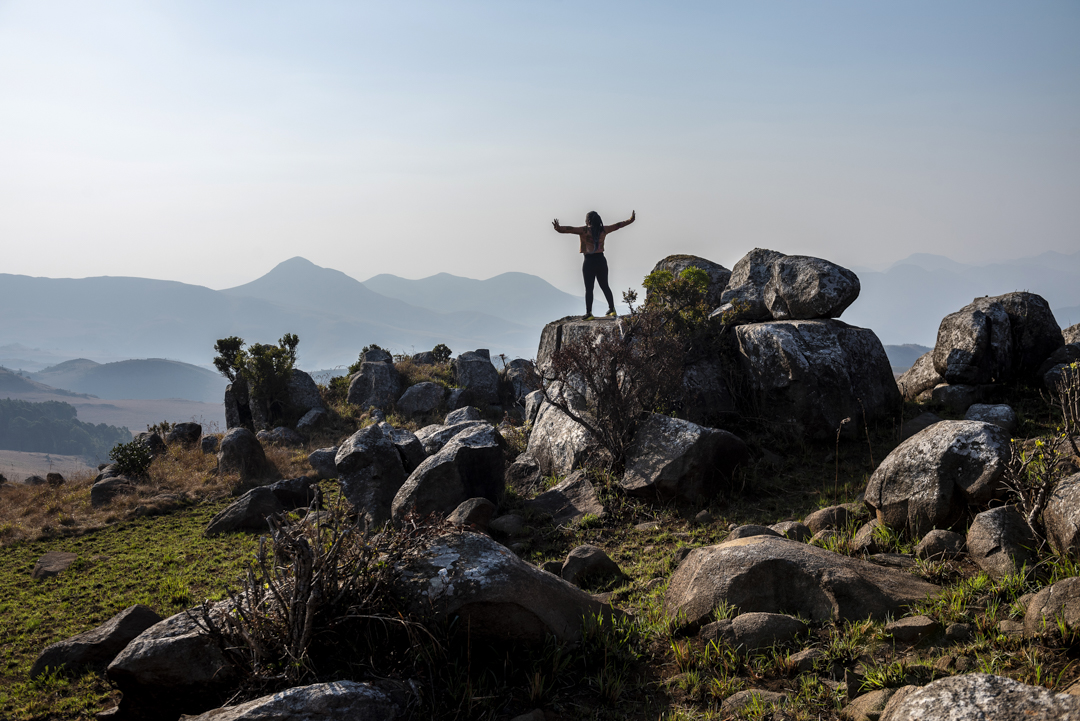
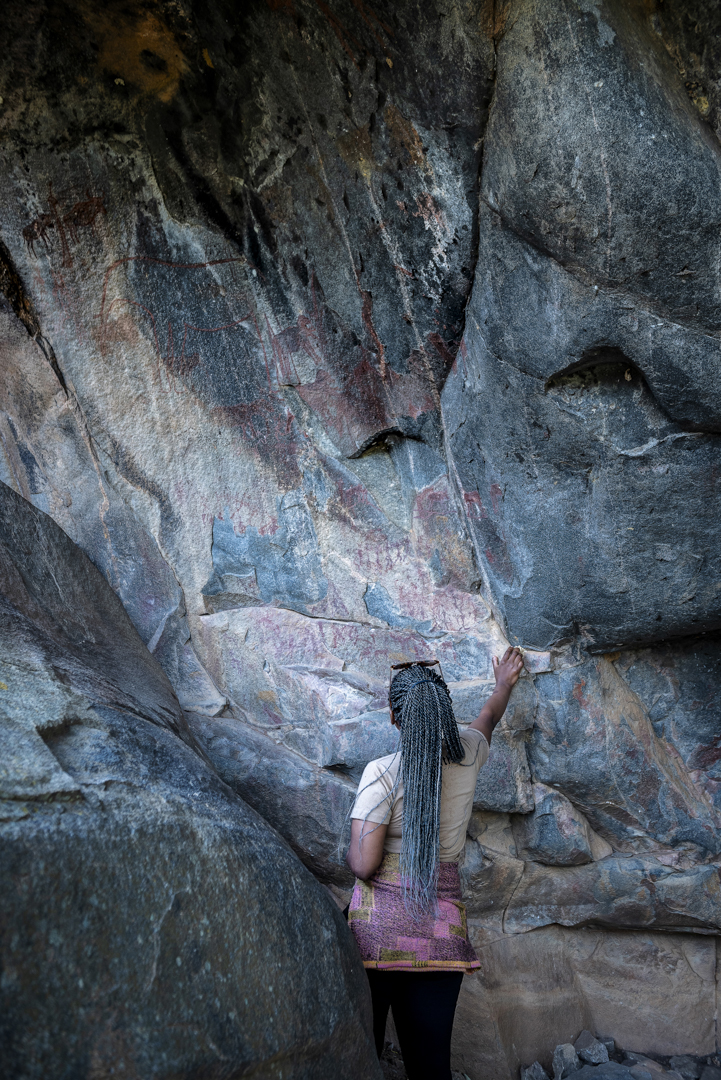
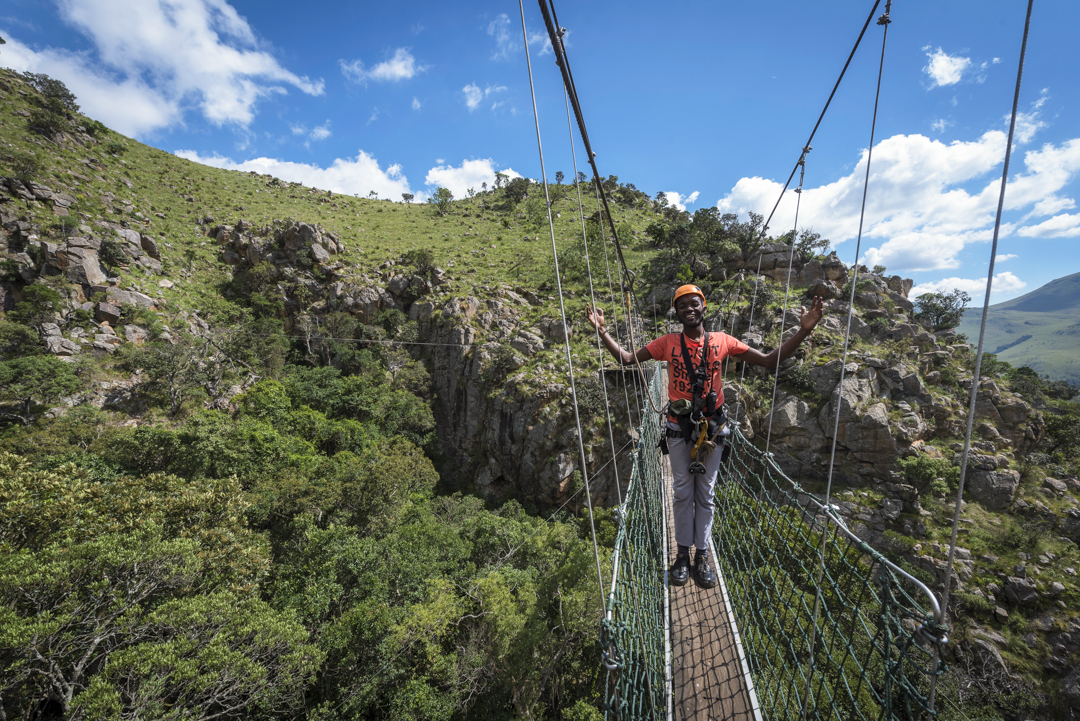
Eswatini can be geographically divided into three large zones. The Highveld is mountainous, wooded and can get quite chilly, the Lowveld is hot, dry African bush and the Middleveld is subtropical and somewhere in between. As far as I’m concerned, Swaziland’s most beautiful landscape can be found in Malolotja Nature Reserve. This is the largest protected area in the country, and full of wind-shaped rock formations, vast mountain plains and the occasional waterfall. It’s full of antelopes and birds, and the ideal environment for a brisk hike. Want to keep it a bit more adventurous? Take the canopy tour and soar through the treetops from rock face to rock face. Another shorter but worthwhile walk in the area, is the one to the Nsangwini Rock Art. You’ll descent a mountain path in the middle of nowhere until you get to an overhanging rock. On it, you’ll find original rock drawings older than Christ. Worth the detour indeed.
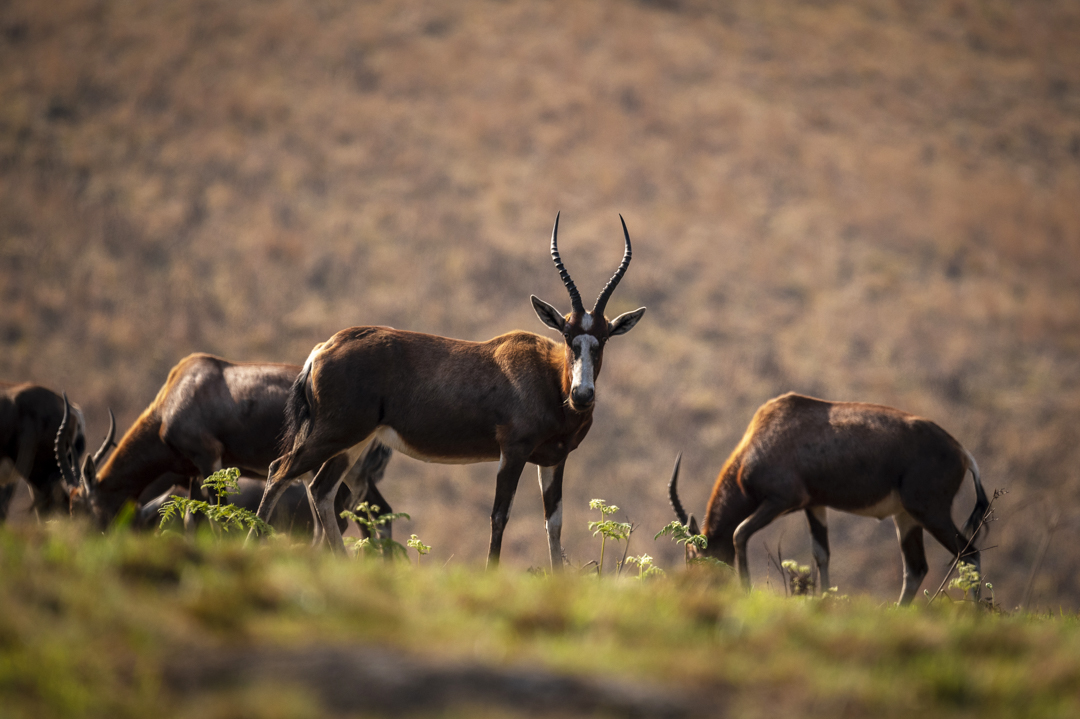
3. Find the rest of the big five in Hlane National Park
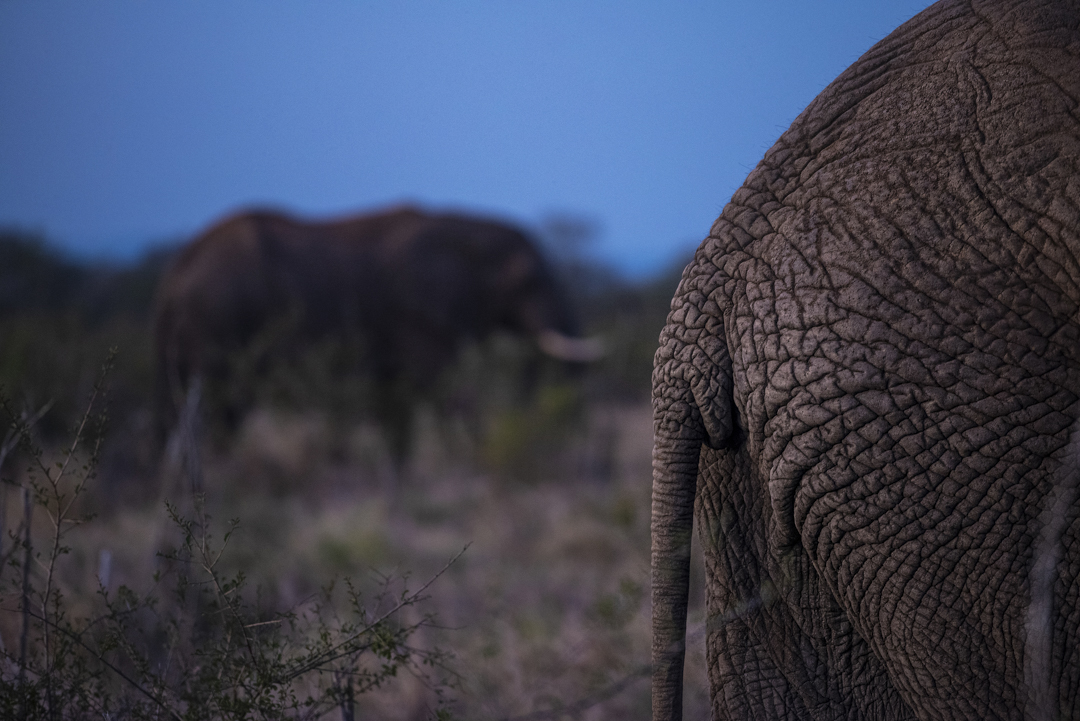
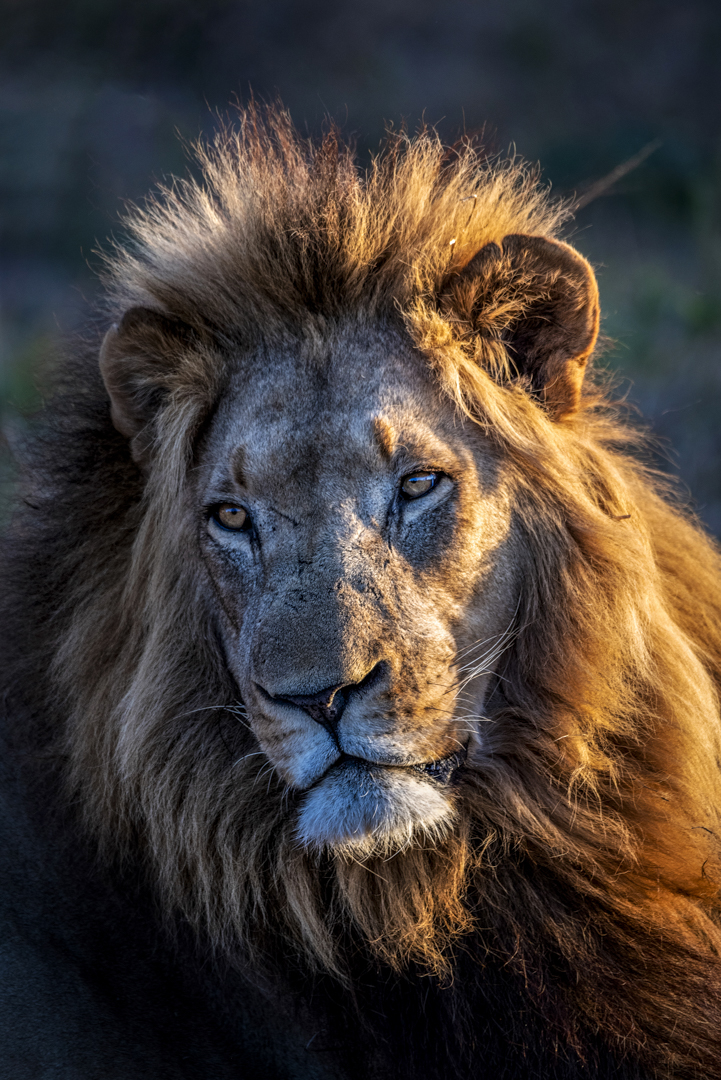
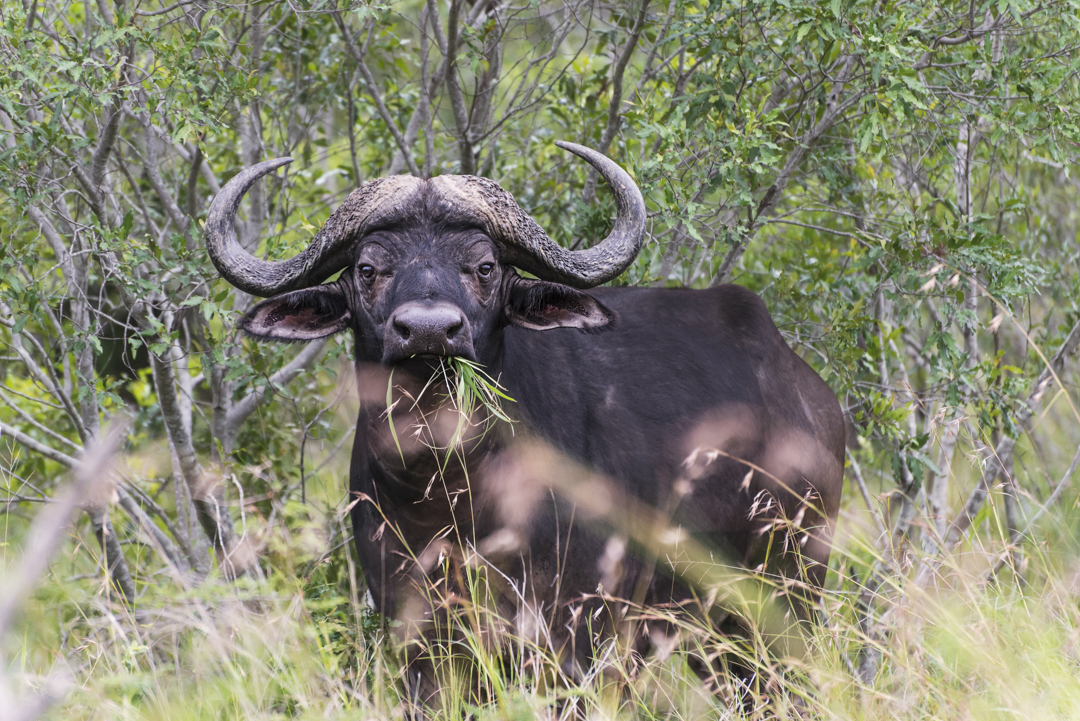
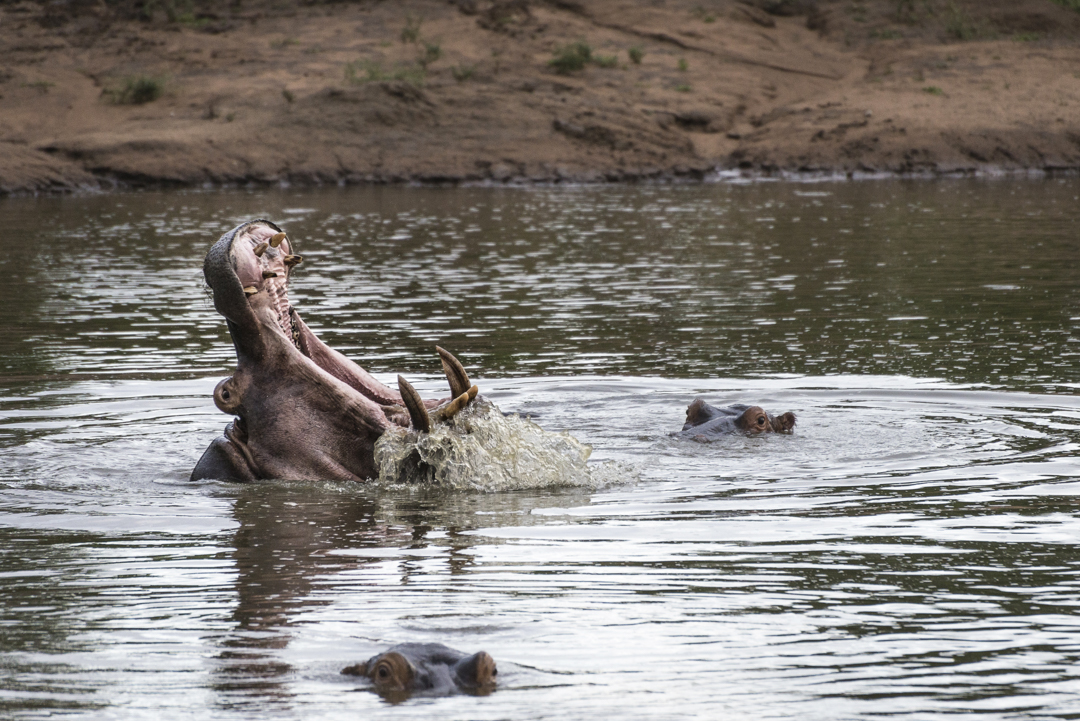
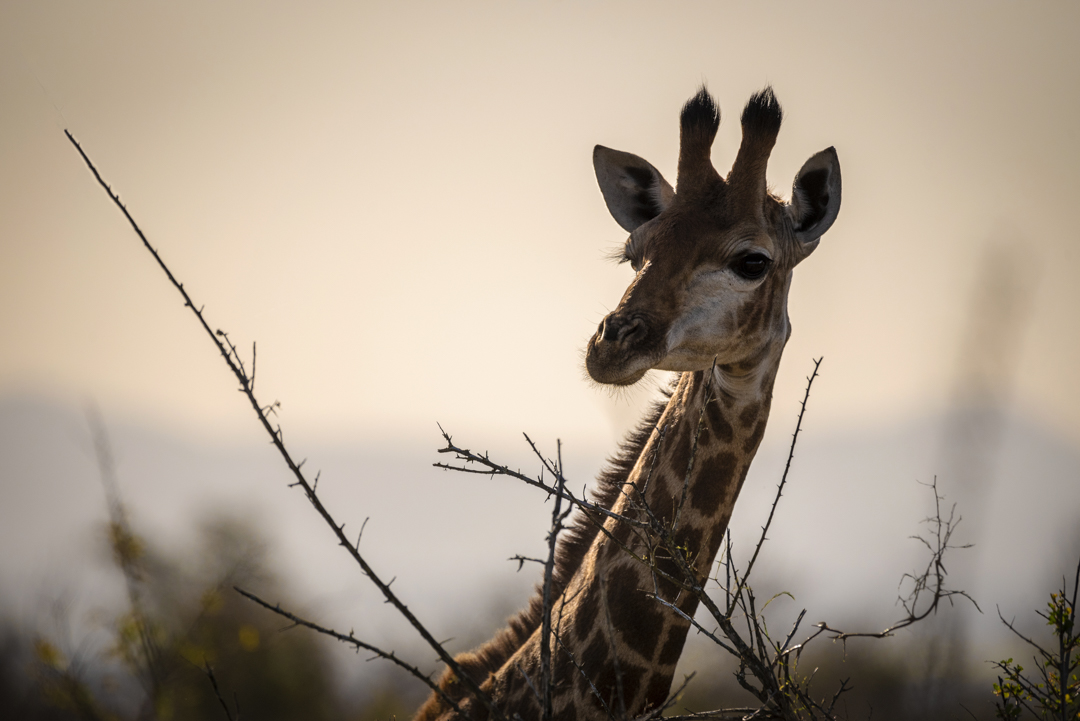
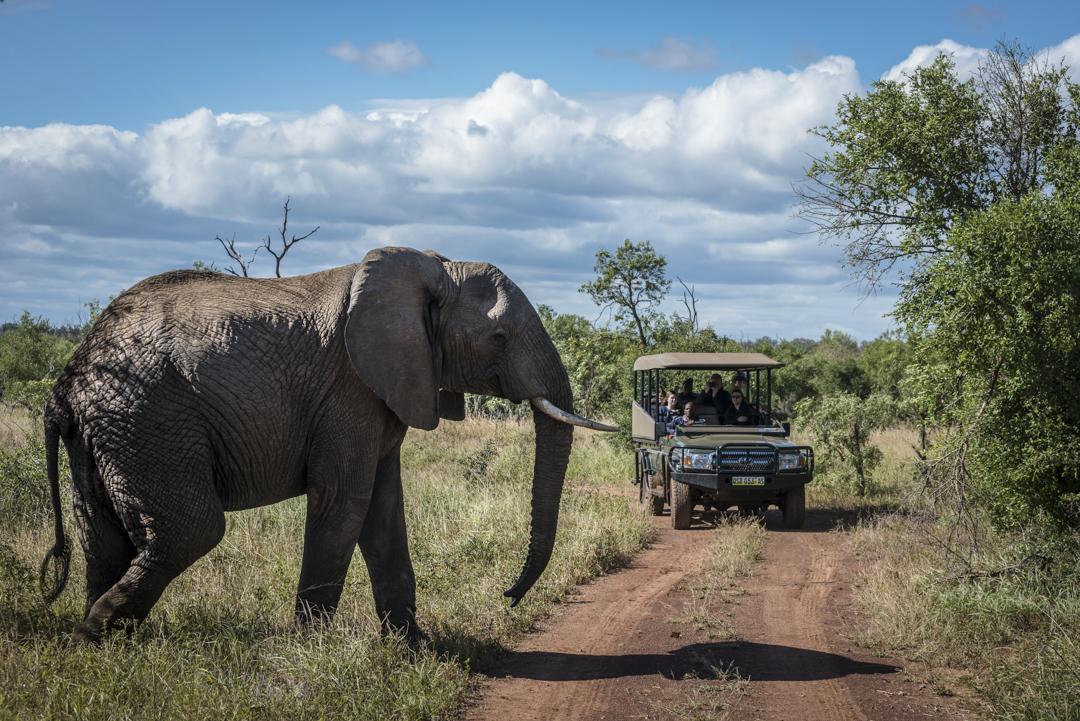
We talked about rhinos above, but the other members of the big five are also present in Eswatini. Cape buffalo – the meanest things in Africa that will charge your jeep unprovoked – can be found in Mkhaya. For elephants and lions you’ll have to go to Hlane Royal National Park, but the chance you’ll see some there is very high. Leopards – the fifth animal on the list – can be found all over the place (they can easily jump the fences) but you’ll have to get incredibly lucky to spot one. In most parks, you’ll find giraffes, zebras, entire herds of antelopes, hippos and crocs. When I slept in my open cottage in Mkhaya, I found hyena tracks leading up to my tiny three foot gate. According to my ranger, this happens a lot. Nobody ever went missing up till now. This either means the park is safe, or the hyena-lobby is far more powerful than we ever imagined. In short: Eswatini offers just about everything your little safari heart could desire, and unlike in some of neighboring countries, most overnight stays are quite affordable and you’ll never be gawking at the same lonely lion from five overcrowed jeeps.
4. Immerse yourself in the Umhlanga Reed Festival
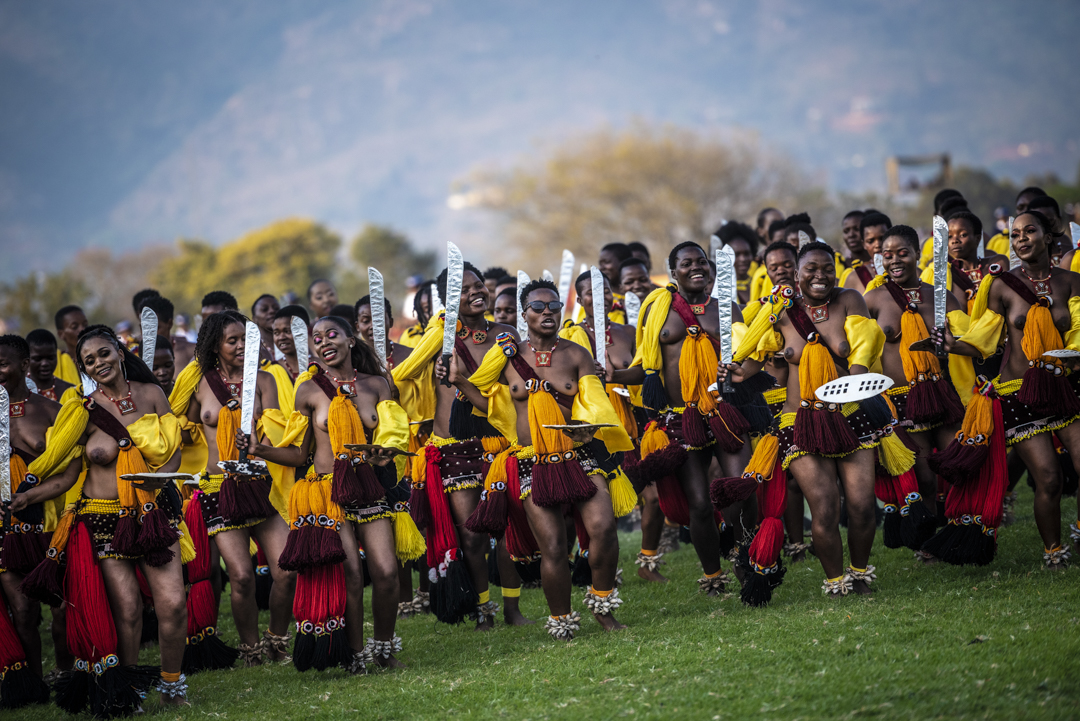
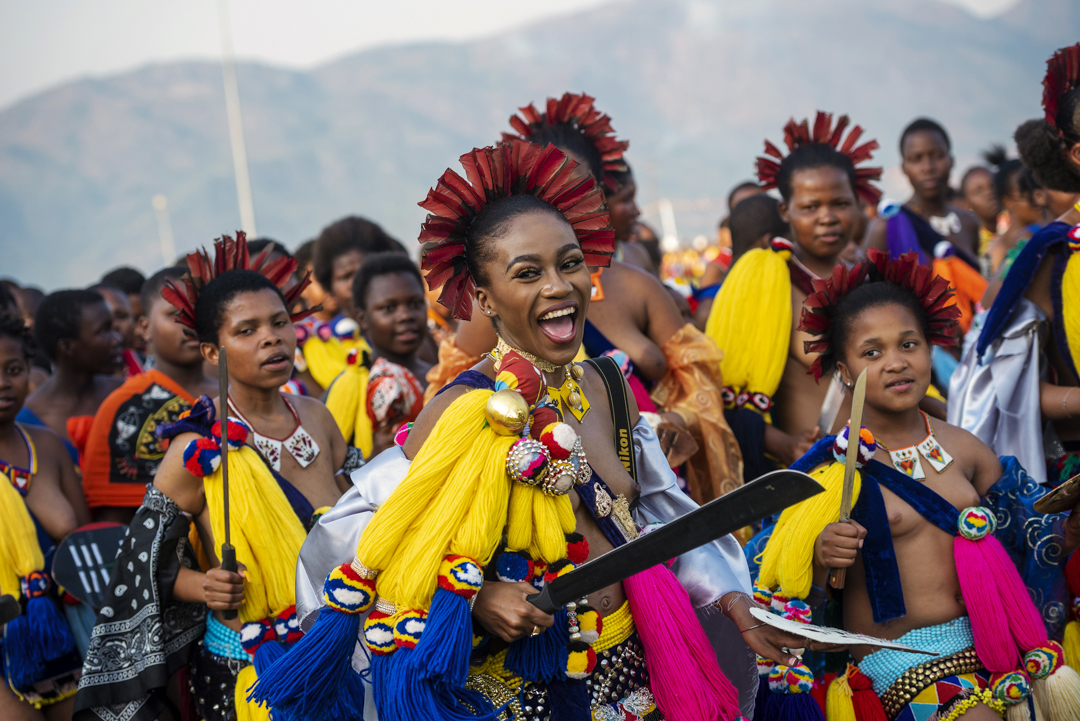
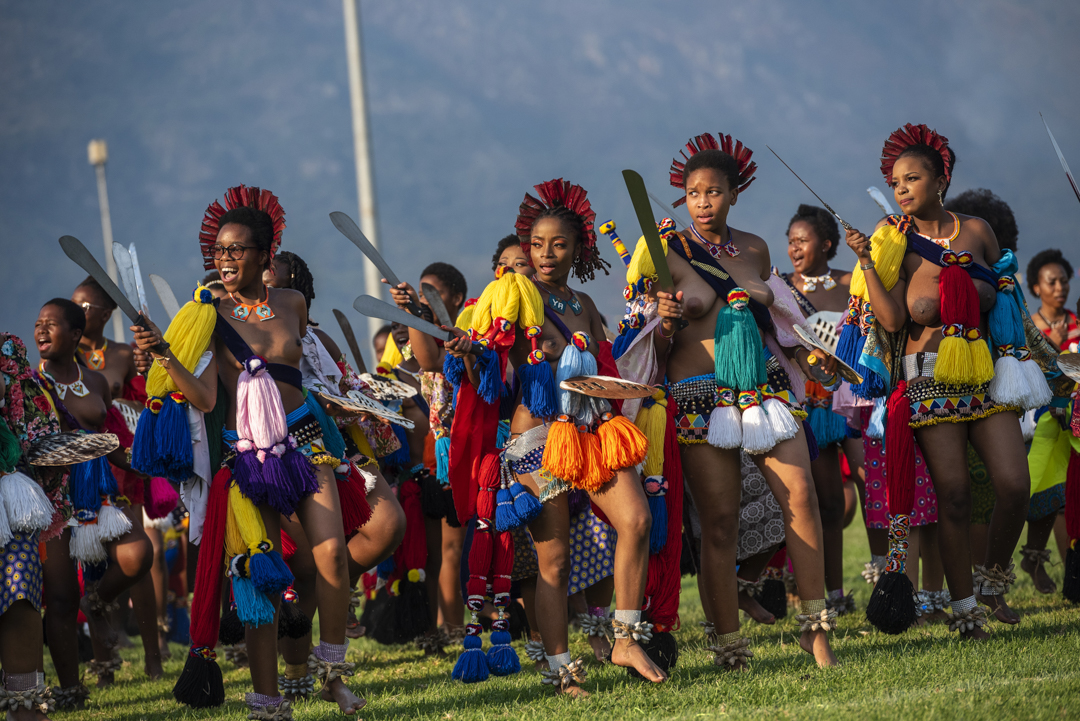
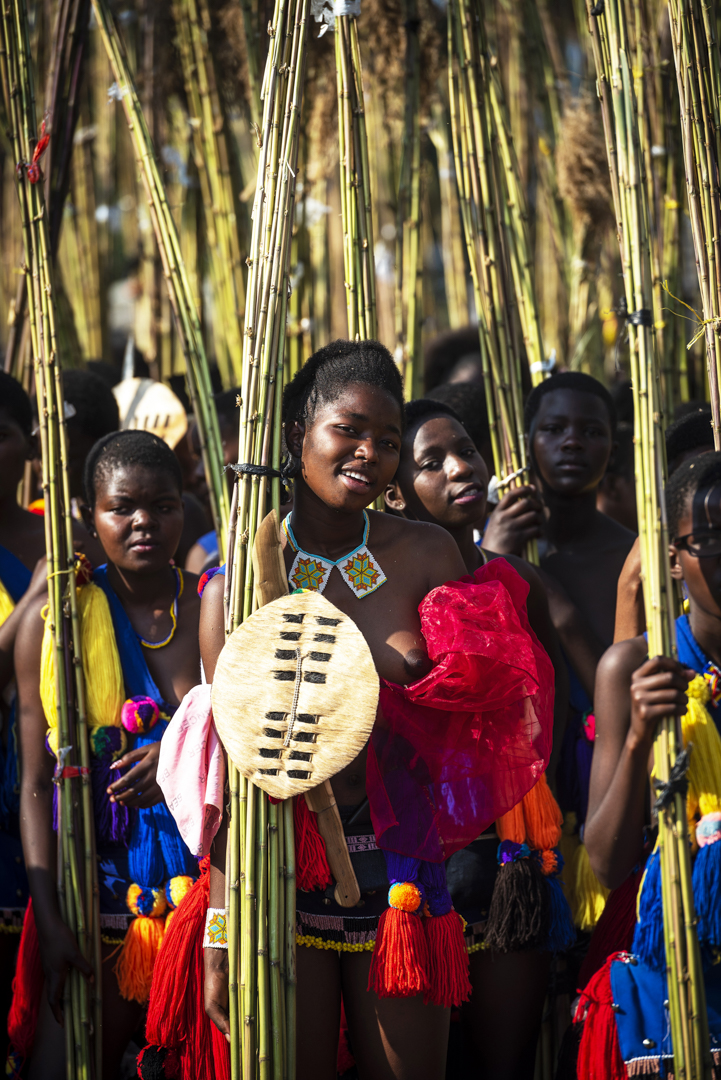
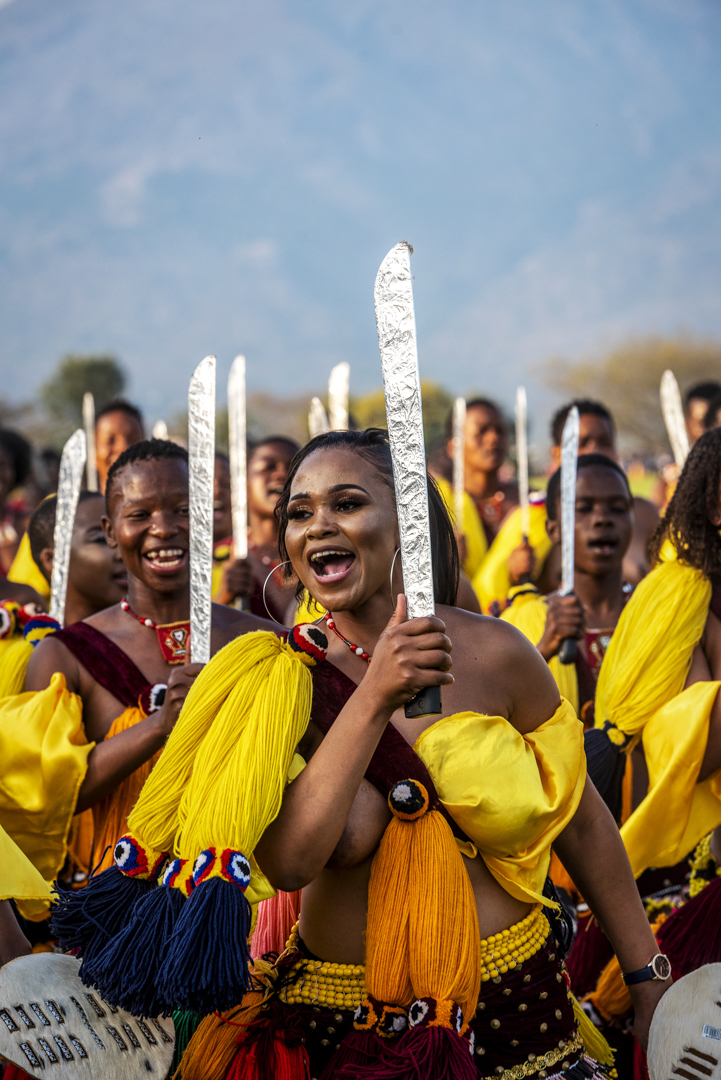
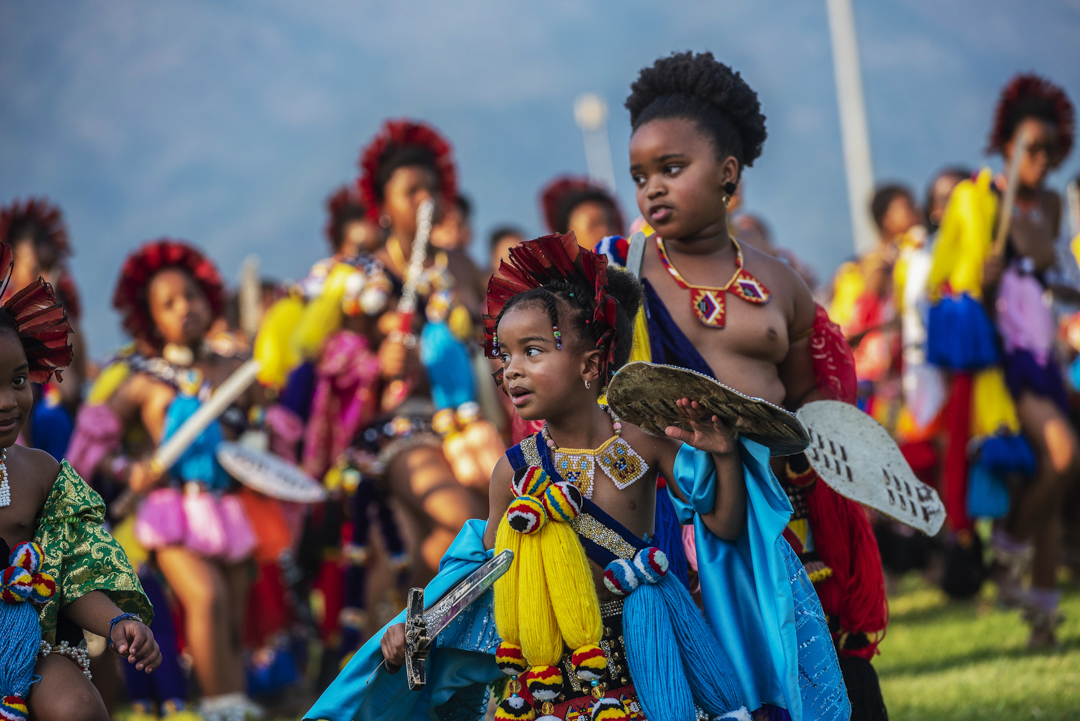
The Umhlanga Reed Festival is the biggest cultural event of the year in Eswatini, and because I visited early September I finally got to experience it. The whole thing lasts a week. Young maidens from every corner of the country travel to the Royal Residence in Eludzidzini (try saying that five times in a row) with a sturdy bunch of reeds under their arm, which they will present to the Queen Mother. Legend has it that if the reed is carried by unclean, non-virgin hands, it would wither on the spot (this is why all my plants keep dying). The next day, everyone moves to the national stadium nearby to perform dances for the royal family and thousands of spectators. This is done in traditional, colourful and (very) revealing attire and is quite impressive to witness. What makes this truly special is that these are not the typical little shows performed for tourists. No, this is an expression of the national culture, by and for themselves, and you are no more than a casual spectator. Admission to the stadium is free by the way. Why are you still here?
5. Put the pedal to the metal on the Swazi Rally
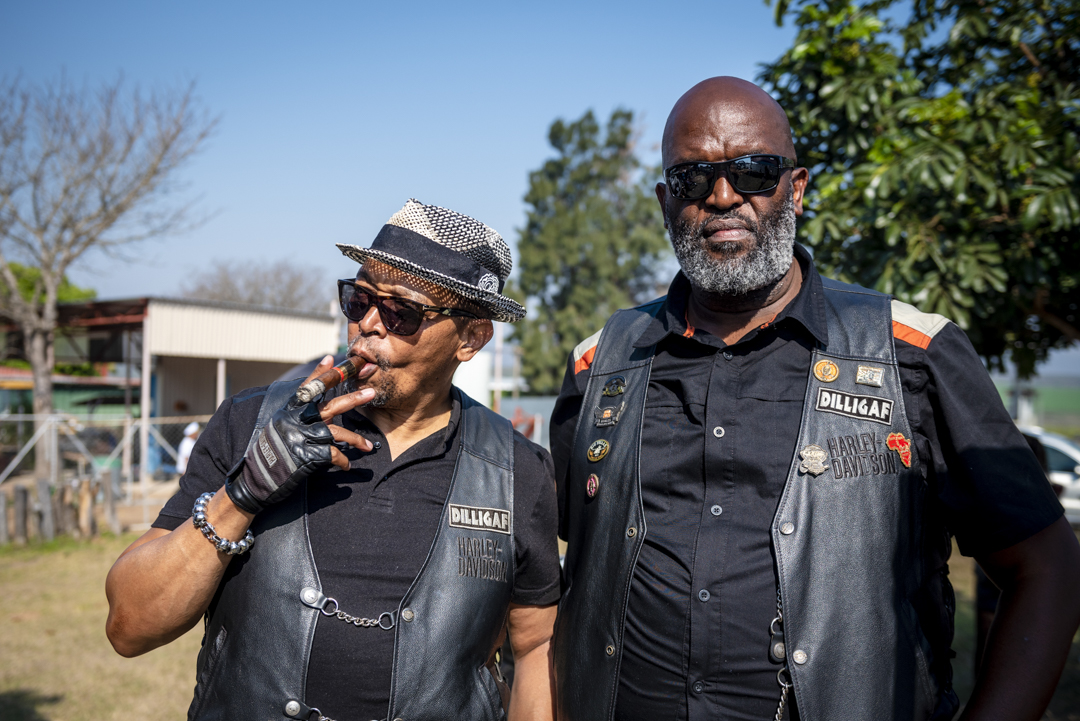
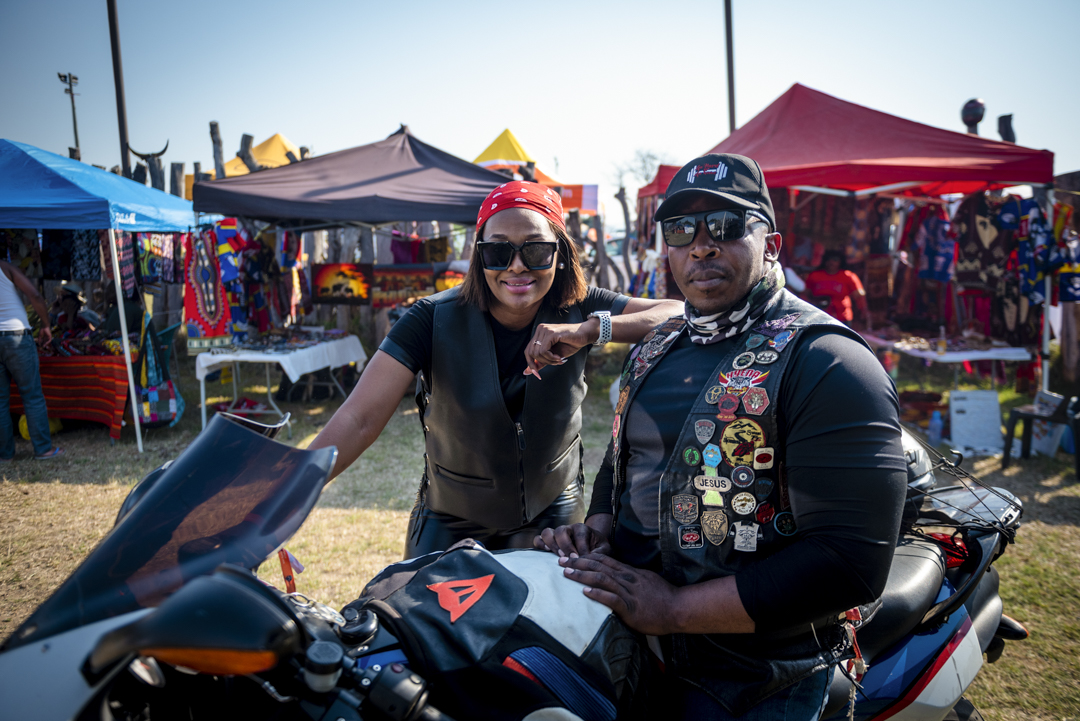
Another surprising event – especially for non-kinky leather lovers – is the Swazi Rally organized on the same weekend. This is more of a festival like we know them at home, with entrance tickets, food stalls and music. It does have a theme though. Hundreds of bikers from all over Eswatini and the surrounding countries come together to fraternize, eye each other’s bikes and watch a bunch of demonstrations by stuntmen and racers. The atmosphere is great, the beers cold and the audience fantastically dressed. Think a mix of Mad Max, Shaft and the Hell’s Angels. It’s not your usual pottery at the local village.


6. Support the local community in Shewula Mountain Camp
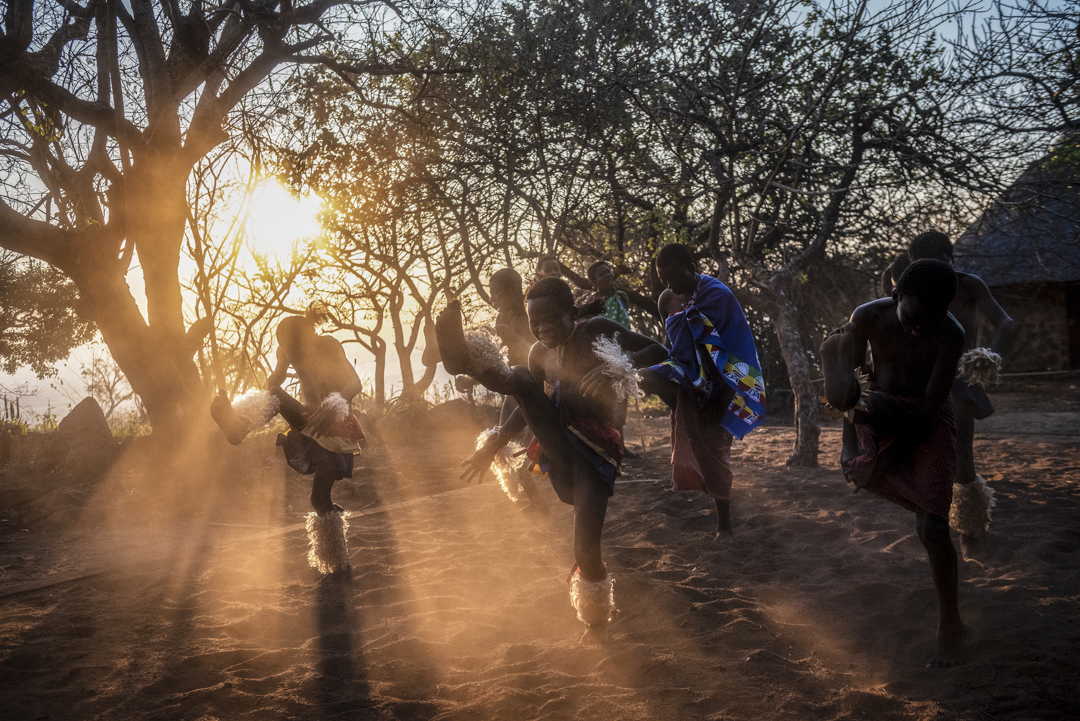
Speaking of pottery in local villages: the majority of people in Eswatini live in small rural communities, and many of them are struggling. I’ve stopped participating in so-called poverty tourism, but in Eswatini you can visit the locals without it becoming exploitative . The Shewula Mountain Camp in the east of the country does this best. Shewula is a camp built on an impressive cliff from which you can see half the country, and where you sleep in traditional stone houses. Lindiwe – the woman who runs the camp and grew up nearby herself – will gladly take you to a nearby village (or to a medicine man if you so desire). There you can talk to people at your own pace and with mutual respect. If you made any new friends, you can choose to support a family through the camp – I’ve been doing so for six years for the girl in blue below. Every year they will get new school supplies, food and other basic necessities, so they are less dependent on the harvest. You’ll see exactly where your money is going, and you keep in touch with those benefiting from it. I got their school report cards by email. www.shewulacamp.org
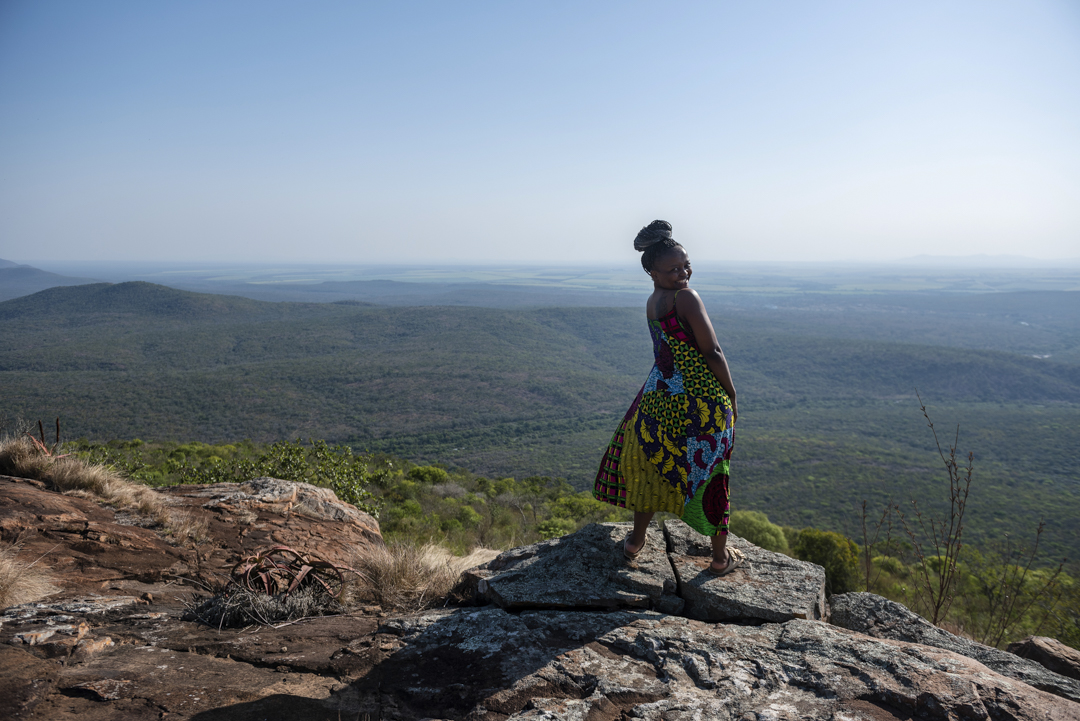
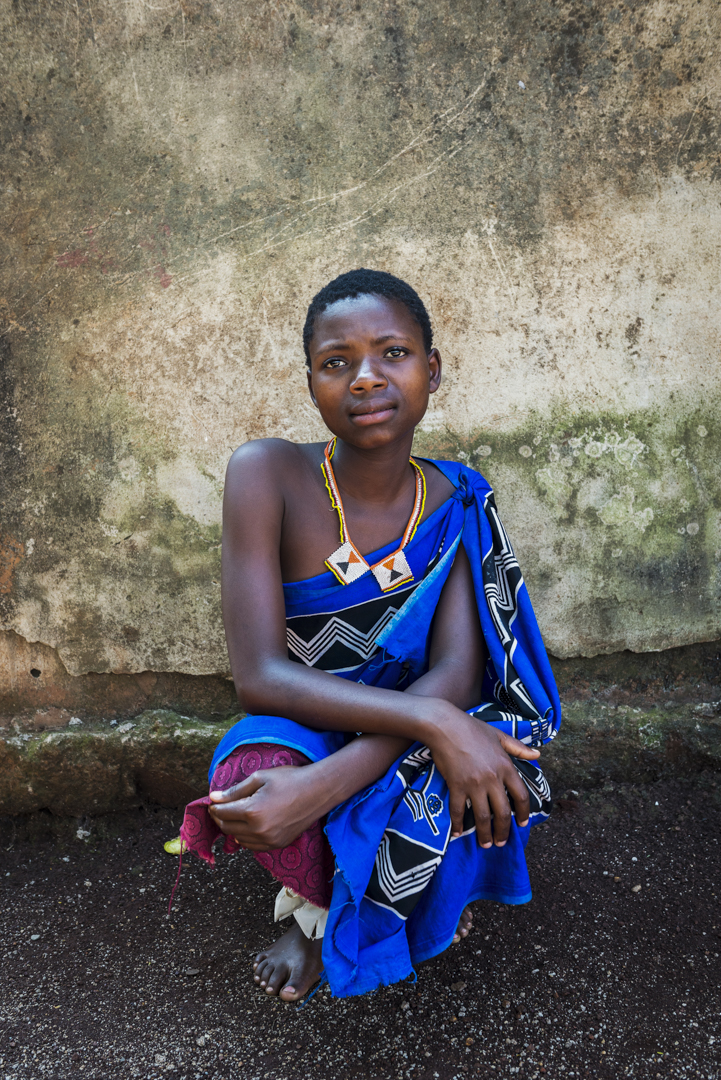
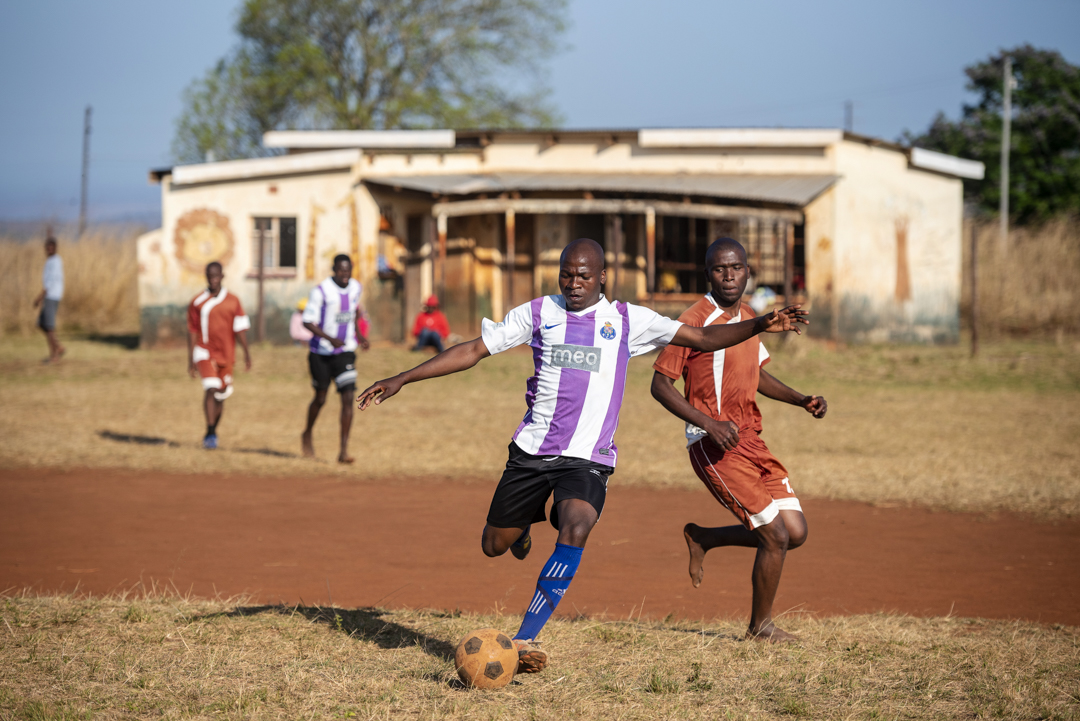
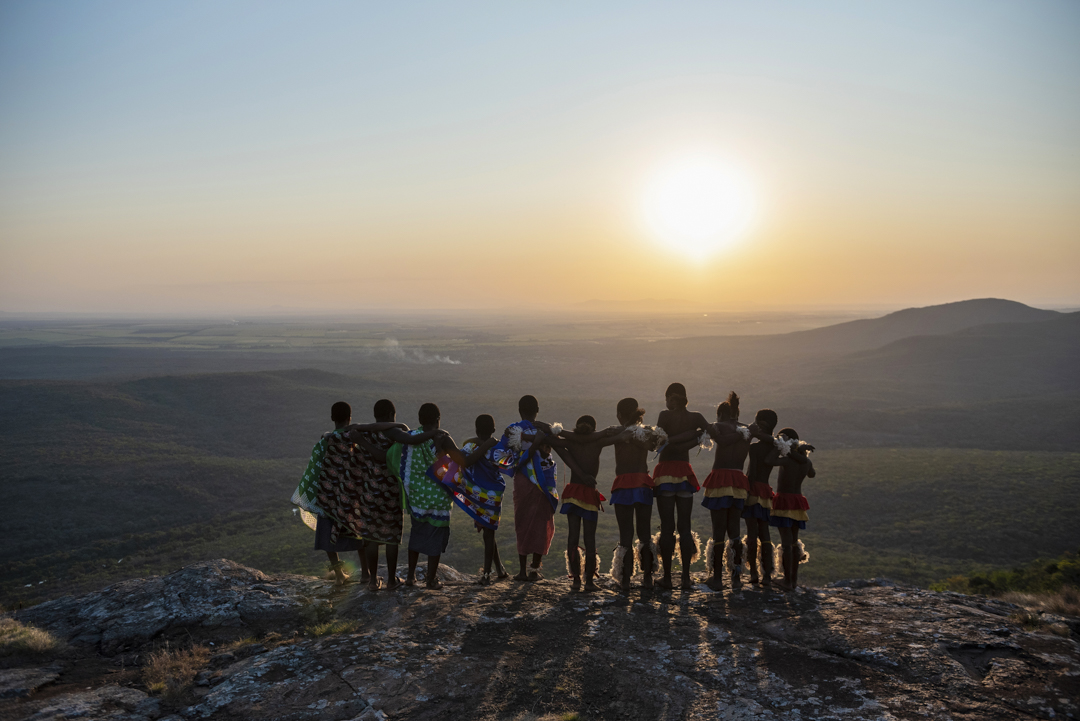
Top left: the illustrious Ntsikie. ^^
7. Feel like a Disney princess in Mlilwane Wildlife Sanctuary
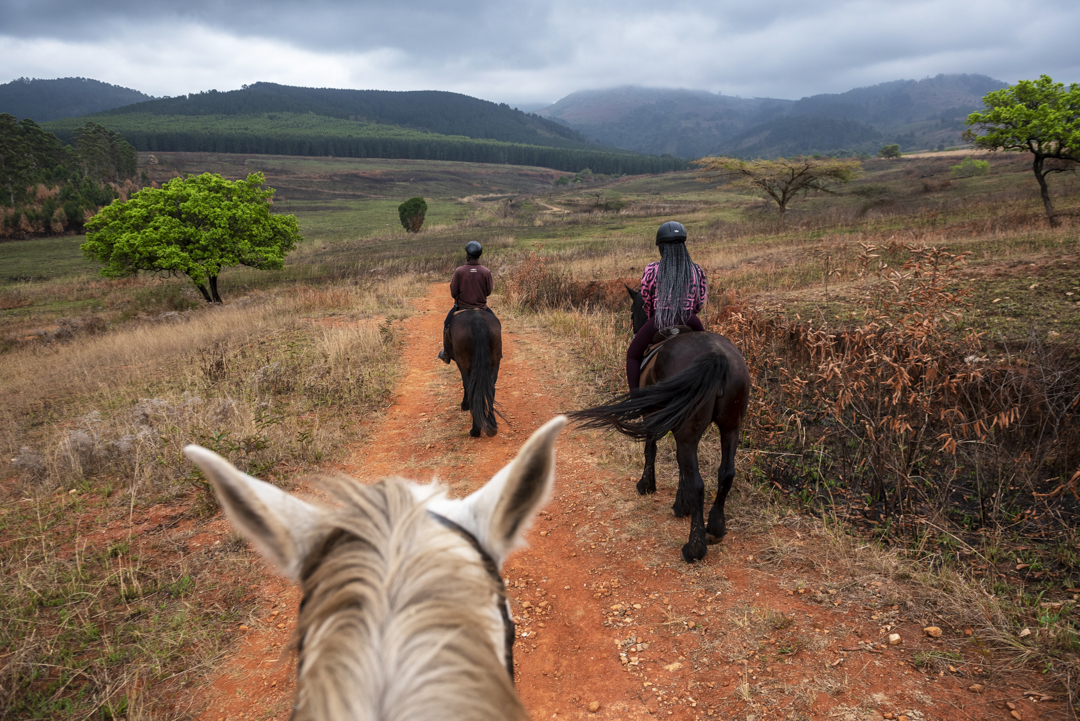
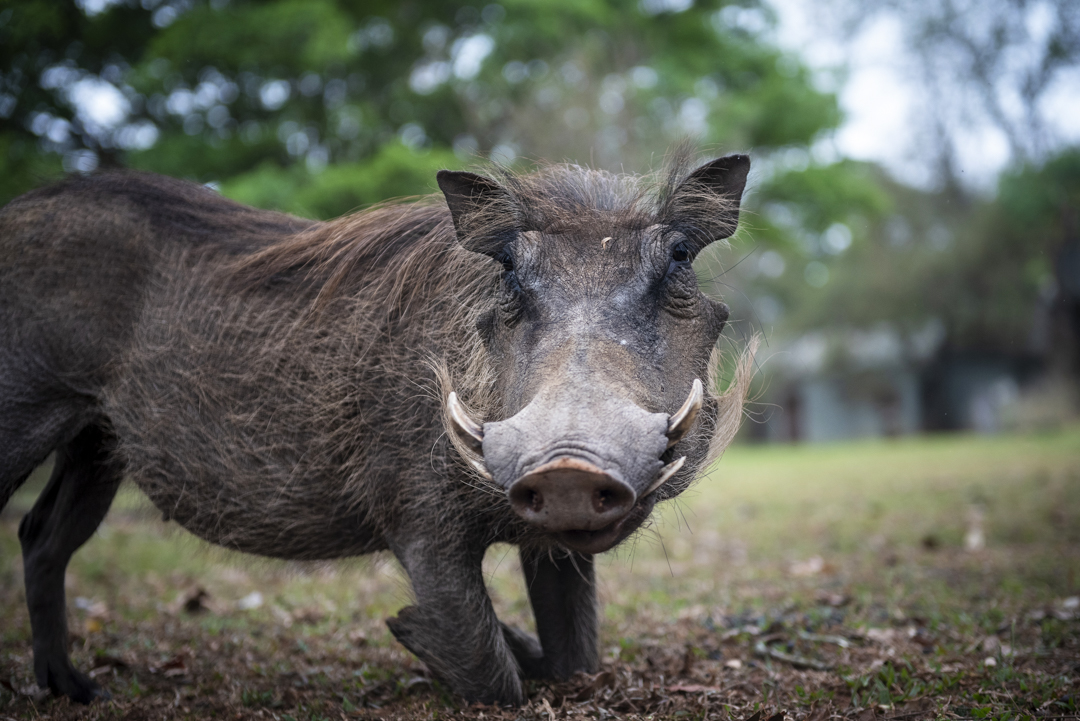
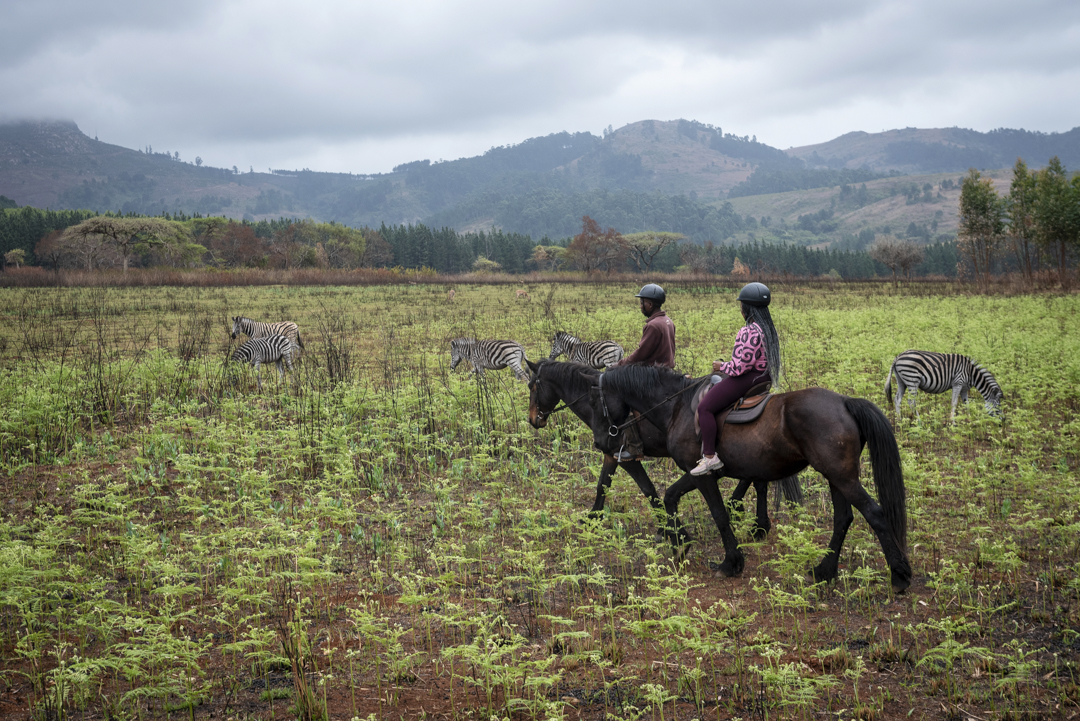
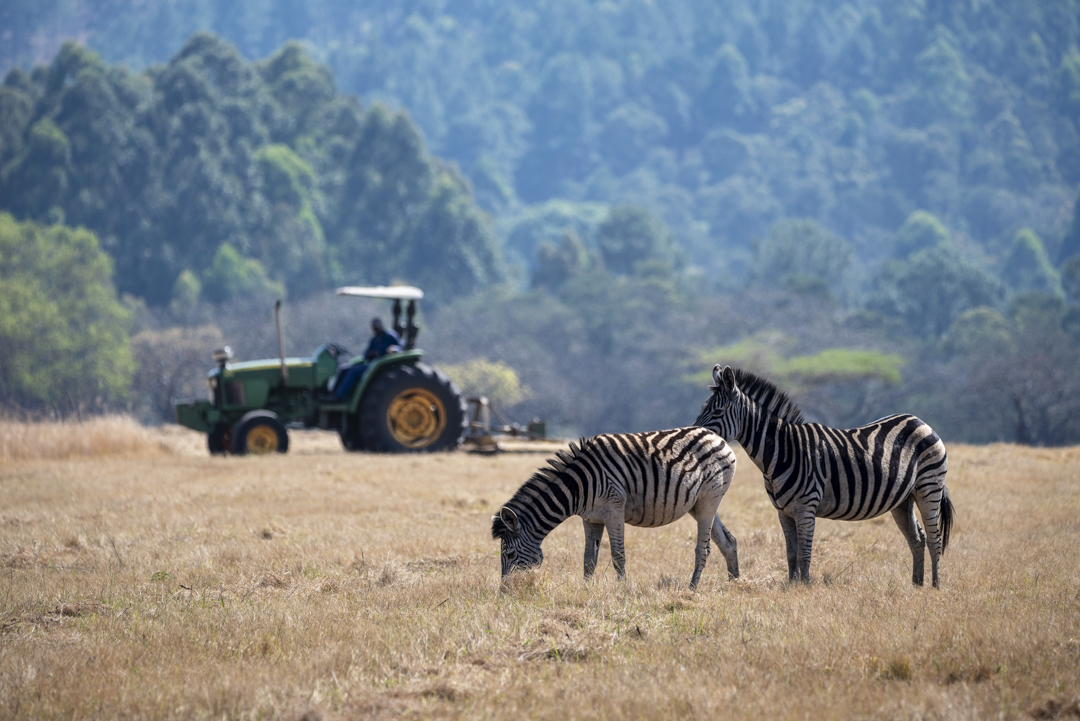
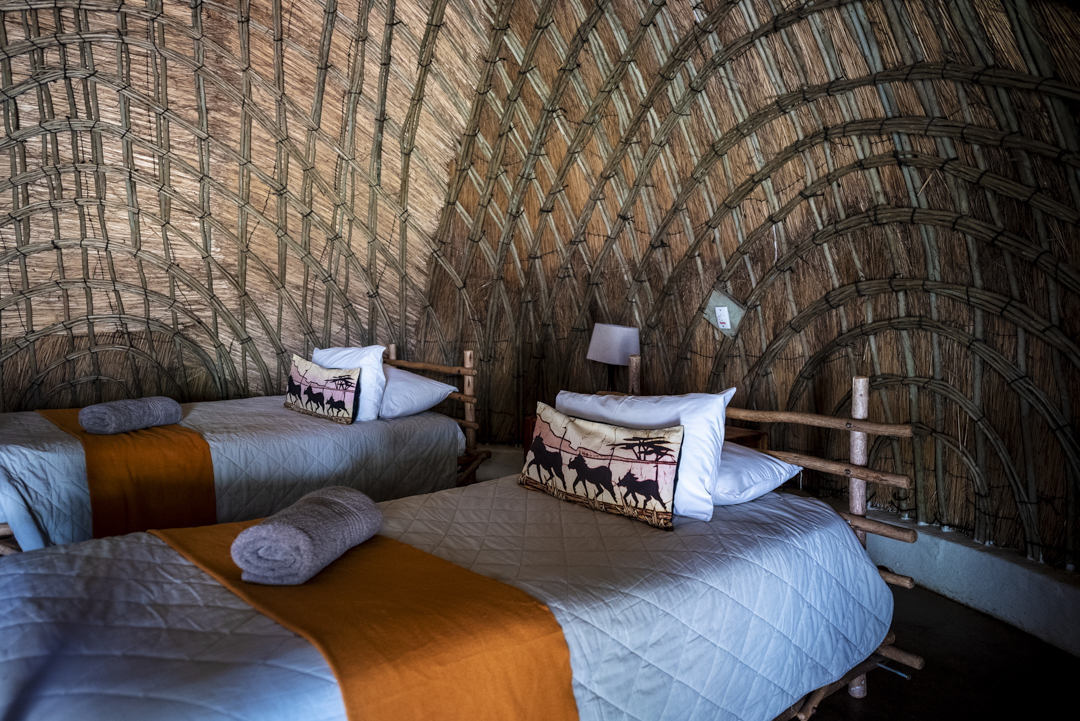
Mlilwane Wildlife Sanctuary may not be a big five park, but it’s the most popular reserve in the country. Here you can head out on your own without a worry. You can pull a Snow White and go skipping through herds of zebra and wildebeest, you can explore various mountain biking tracks or you can discover the park on horseback. If you have your morning coffee near the campfire, you’ll be joined by a family of resident warthogs warming up by the flames. You sleep in traditional bee hive huts (with bathroom and electricity) and when you take a look outside after sunset, you’ll often see nyala and impala antelopes walk right by your door. Apart from a snake or two, you won’t come across anything dangerous here. In the past you had to be back in camp by 6pm because of the hippos, but they’ve been shipped to Hlane. There are a couple of very large Nile crocodiles in the pond, but don’t be an idiot, stay away from the water and you’ll probably make it home in one piece.
8. Relax in a pine forest at Foresters Arms
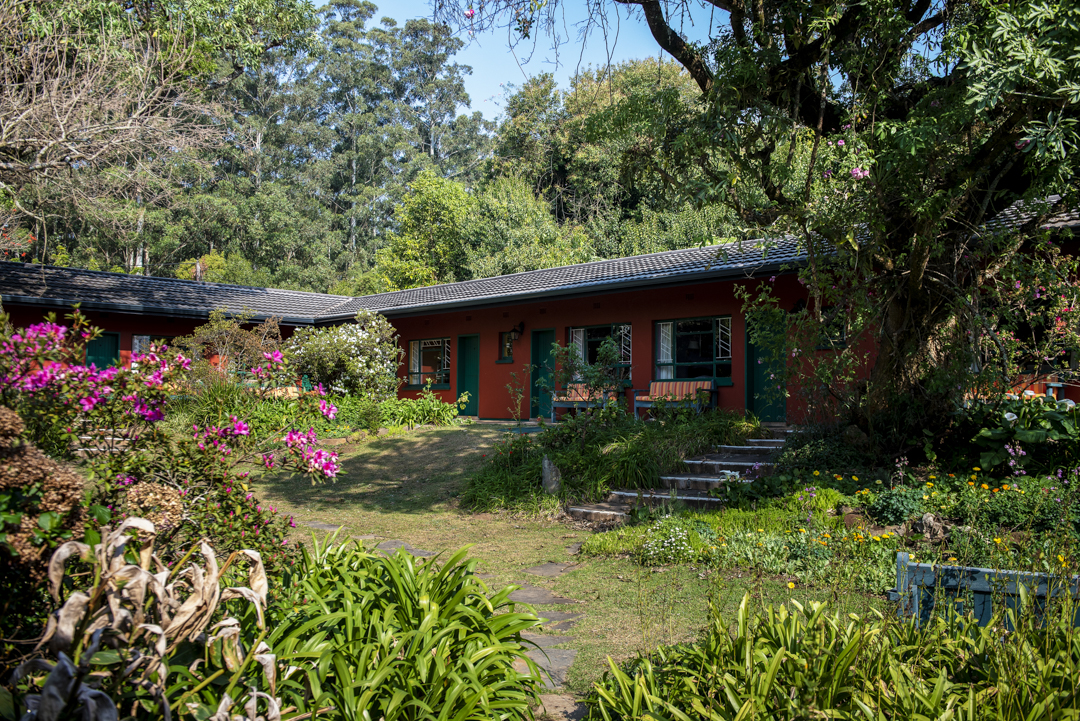
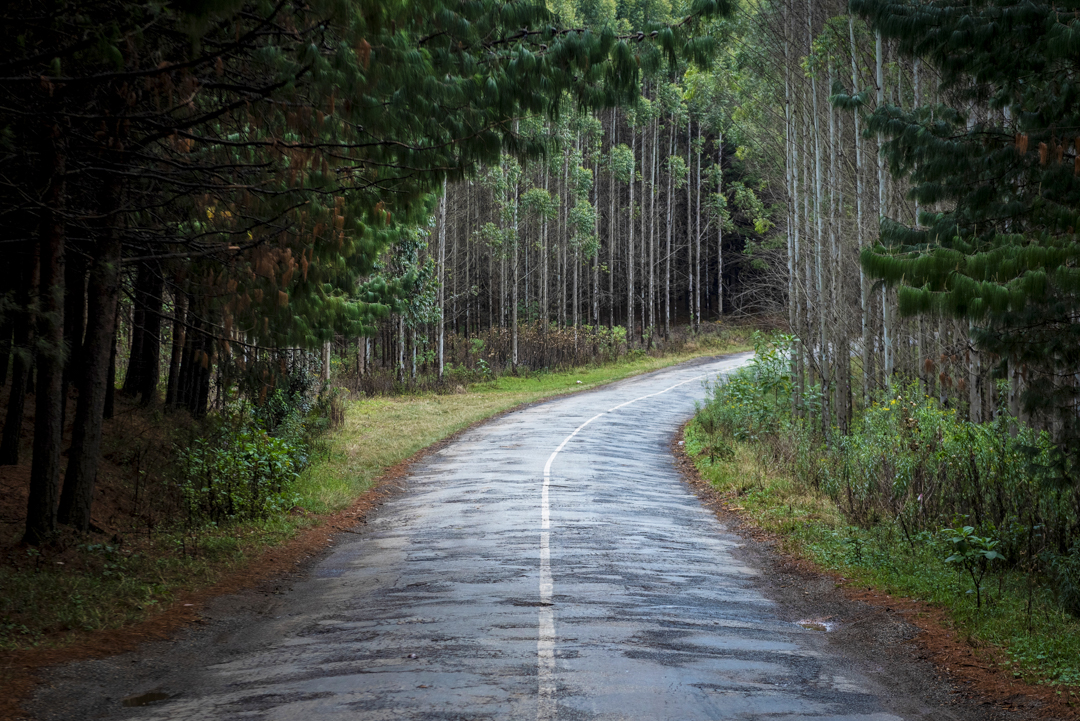
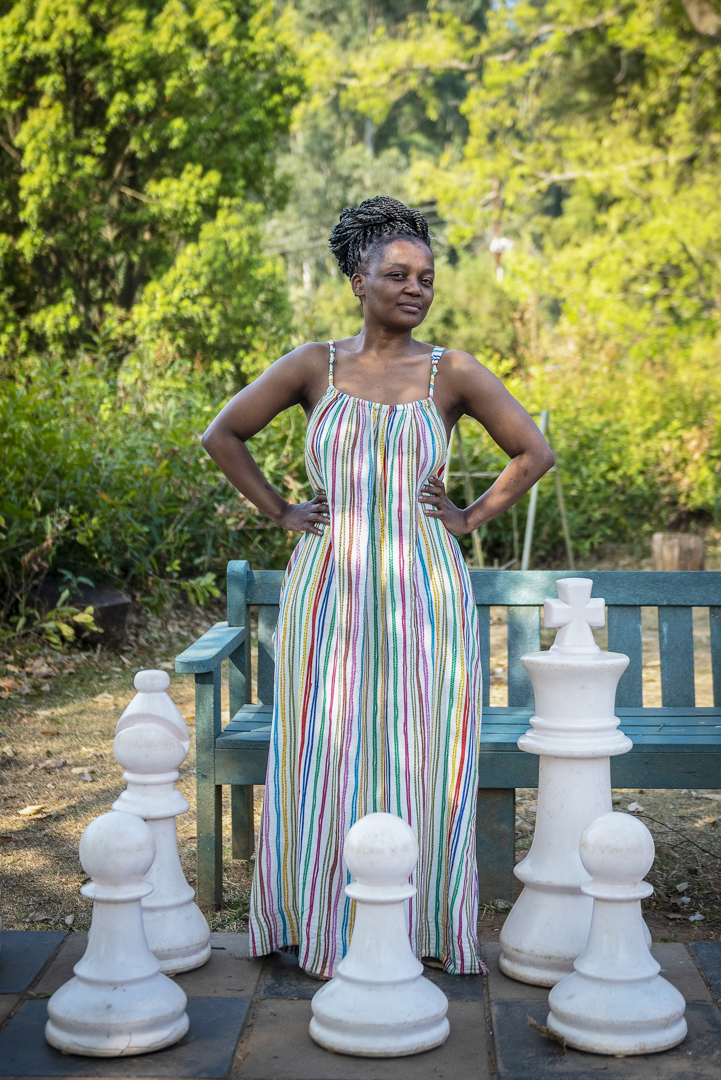
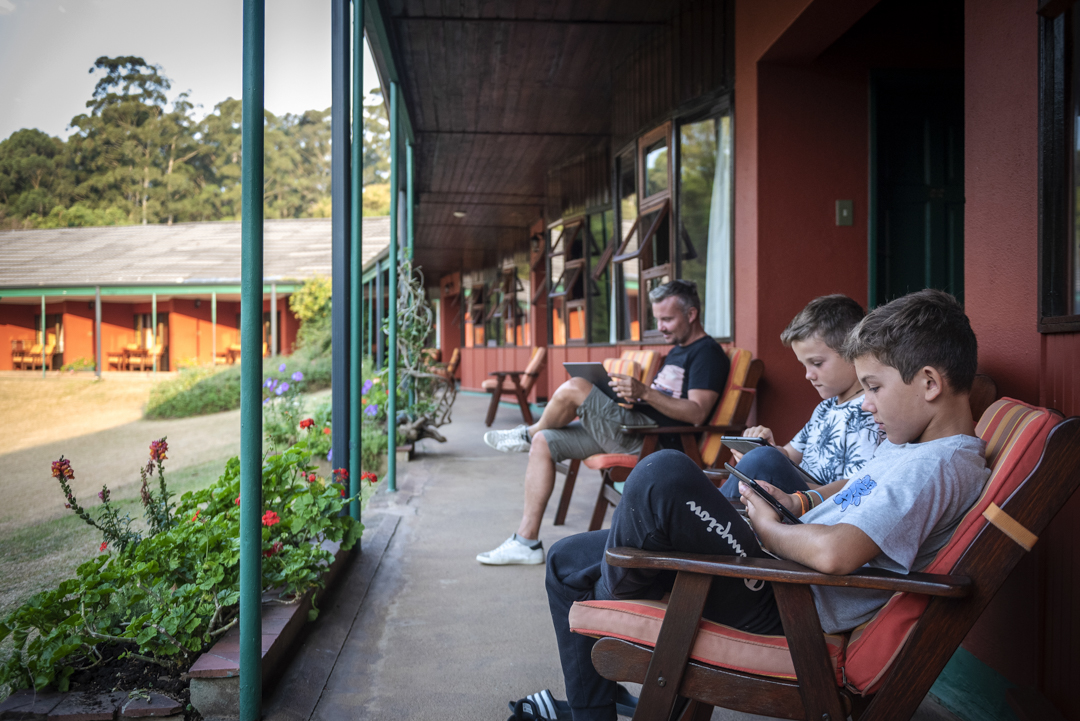
Eswatini comes with some lovely locations to spend the night in – hearing lions roar from your safari hut will always be impressive – but my favourite is Foresters Arms in the Highveld pine forests. This is a classic hotel in cosy English cottage style. It’s not the world’s most modern venue, but it exudes an honest charm and homeliness. They take care of you here. The kitchen is one of the best in the country – there’s a different menu every day and you’ll get the leftovers for lunch – and the majority of the staff have been working here for many years. Chill out by the pool, go horseback riding through the woods or enjoy the birds chirping in front of your window. The world will look a lot better soon. www.forestersarms.co.za

Hotels in Eswatini and further information
My trip to Eswatini was made possible with the help of the Eswatini Tourism Authority. For more information about the country and its attractions, surf to: www.thekingdomofeswatini.com.
Vaccinated people no longer require tests for trips to Eswatini or South Africa. Masks are no longer used. Depending on your airline, you may still have to wear one on the plane. Visas are available on arrival.
Since Eswatini is a fantastic road trip destination, you might want to rent a car of your own. Discover Cars offers a wide range of vehicles at OR Tambo Airport in Johannesburg. Click the link to find out.
Looking to do a road trip of your own? Please remember people in Eswatini drive on the left of the road. Some of the locations mentioned above can only be reached over badly kept dirt roads. Renting a 4WD jeep would be a good idea.
I stayed in Eswatini in the following places:
Pigg’s Peak Hotel: large classic hotel with a swimming pool, casino and decent Wi-Fi. www.piggspeakhotelandcasino.co.sz
Foresters Arms: beautiful cottage style hotel in the woods with delicious food. www.forestersarms.co.za
Hlane Royal National Park (in the Ndlovu Camp): this is the larger of the two available camps. Here you don’t have to self-cater and the food is tasty (especially the burgers).
Mabuda Farm: cosy self-catering bungalows in the Lebombo Mountains. www.mabuda.com.
Shewula Mountain Camp: traditional stone camp on a plateau, near a number of wildlife parks. Beautiful but you probably need a 4×4 to get here over a long and rocky dirt road.
Malandela’s: very nice BnB in the center of the country, where a popular restaurant, a festival site and a number of hipster shops can be visited. Popular expat spot. www.malandelas.com
Mlilwane Wildlife Sanctuary: this reserve has a large campsite with traditional bee hive huts, a big restaurant and lots of activities.
The Royal Villas: this is probably the most luxurious place to stay in Eswatini. Here you can book a whole villa with x number of people. The restaurant is great as well, but more expensive than you’re used to in the rest of the country. www.royalvillas.co.sz
There, this should help you on your way if you’re ever looking for a road trip of your own. Anyone with personal questions about my experiences can always reach me by mail or via my Instagram profile.
In for another exotic trip? Read my articles on Malawi, Sao Tomé and New Delhi.







8 Comments
Ramael Marc
September 30, 2022 at 4:32 pmAlweer een toffe blog met schitterende foto’s.
Jonathan
October 6, 2022 at 6:51 pmMerci!
Alade mufutau
October 20, 2022 at 4:55 pmI need to come to Eswatinil again I have been in mbabani last year an it was a fun thanks
Jonathan Ramael
October 20, 2022 at 9:56 pmHey Alade, thank you for your nice comment. I had a blast there. 🙂
Jennifer Martin
December 19, 2022 at 3:09 amHi Alade, for your next visit to my country. Get intouch. I am your official Eswatini tour guide/planner. Jennifer Martin whatsapp +268 76040597 jennifermartinguide@gmail.com
Jennifer Martin
December 19, 2022 at 3:08 amHi Alade, for your next visit to my country. Get intouch. I am your official Eswatini tour guide/planner. Jennifer Martin whatsapp +268 76040597 jennifermartinguide@gmail.com
Stephanie Login-McGinn
February 13, 2023 at 8:35 amEswatini is indeed a magnificent spot to visit- lots to do, so diverse!
On your next trip, please visit us at Dombeya Game Reserve Self Catering Lodges- walks, hikes, self-drive game drives, private pool, wildlife all around- a beautiful spot to explore nature at your own pace! W:www.dombeya.org
Jonathan Ramael
February 15, 2023 at 6:51 pmHey Stephanie, I would love to! Hopefully they’ll let me come back in a couple of years. 🙂